How to Choose a Screw Assortment Kit: A Buyer's Guide for Retailers, Distributors and Repair Shops
Buying screw assortment kits for resale or workshop use? Check size coverage, contents, materials, the case and restocking before you order — a practical guide from Boltriver.
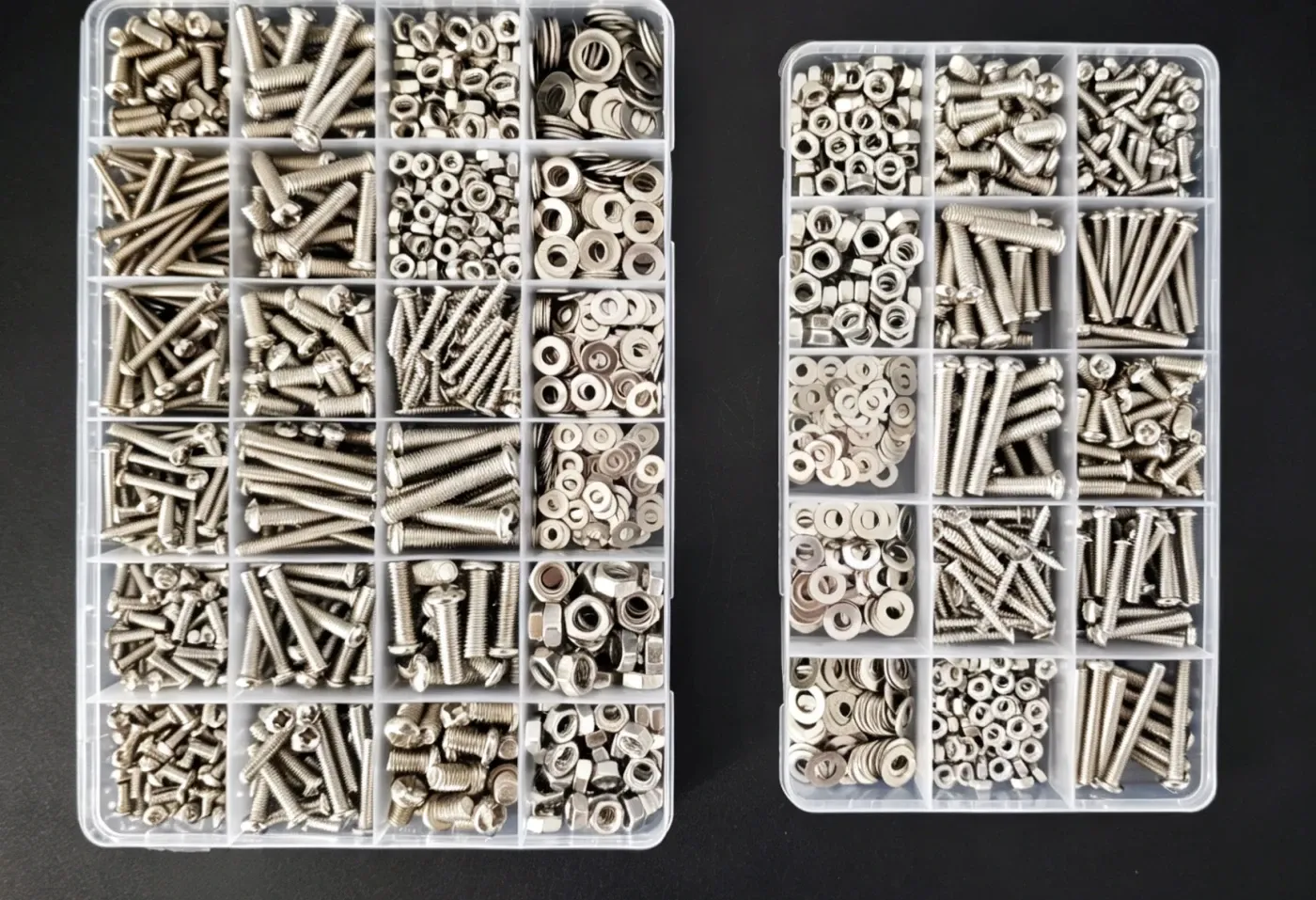
A screw assortment kit looks simple: a compartment case full of screws, nuts and washers. But two kits with the same piece count can be very different in daily use — one covers the sizes your customers or technicians actually reach for, the other is full of sizes nobody needs while the common ones run out first.
Whether you stock kits for resale or buy them for a repair bench, this guide covers what to check before you order: size coverage, contents, materials, the case itself, and what happens when you need more.
1. Start with who the kit is for
The right assortment depends on the hands it ends up in:
- Retail shelves — a general-purpose metric kit with a clear size layout sells to the widest range of walk-in customers: home repairs, furniture assembly, bicycles, appliances.
- Repair and service workshops — technicians need depth in the sizes they use daily, plus matching nuts and washers, not just screws.
- Electronics and precision work — micro screws are a different kit entirely; a general kit will not cover them.
Buying one "does everything" kit usually serves none of these well. Most buyers end up with one main kit plus one specialist kit.
2. Check the size range — and the gaps in between
A useful metric kit covers a continuous ladder of sizes, for example M3, M4, M5 and M6, each in several lengths. Watch for two problems:
- Missing steps — a kit that jumps from M4 to M6 leaves a hole exactly where many household and machinery fasteners sit.
- One length per size — a diameter in a single length is rarely enough; real jobs need short, medium and long in the popular diameters.
If a listing only states a total piece count and not the size list, ask for the size list before ordering. A serious supplier can always provide one.
3. Match the contents to the jobs
Screws alone are often not enough. For most repair work, screws, nuts and washers belong together — a kit that includes matching nuts, flat washers and spring washers saves a second purchase and a second search through the parts bin.
Think about the fastener types your customers or team actually use:
- Machine screws with nuts and washers — machinery, brackets, equipment assembly
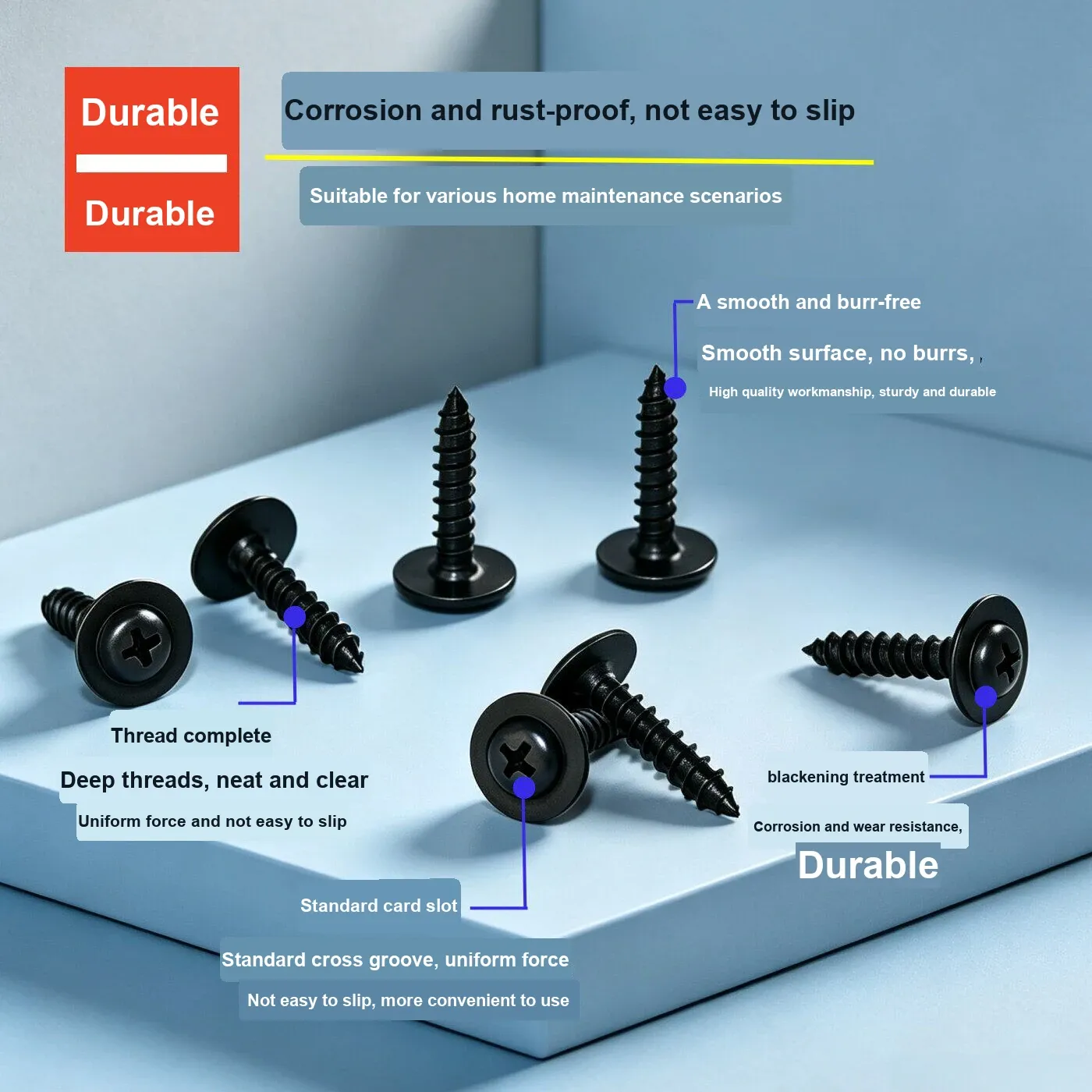
- Self-tapping screws — sheet metal, plastics, wood, enclosure work
- Micro screws — laptops, electronics, glasses, small devices
- Furniture and household assortments — assembly fittings and the screws that come with flat-pack furniture
The kit contents should read like a list of real jobs, not a random mix.
4. Choose the material for the environment
The same kit in different materials serves different places:
- Carbon steel, plain or zinc-plated — the economical standard for dry indoor use
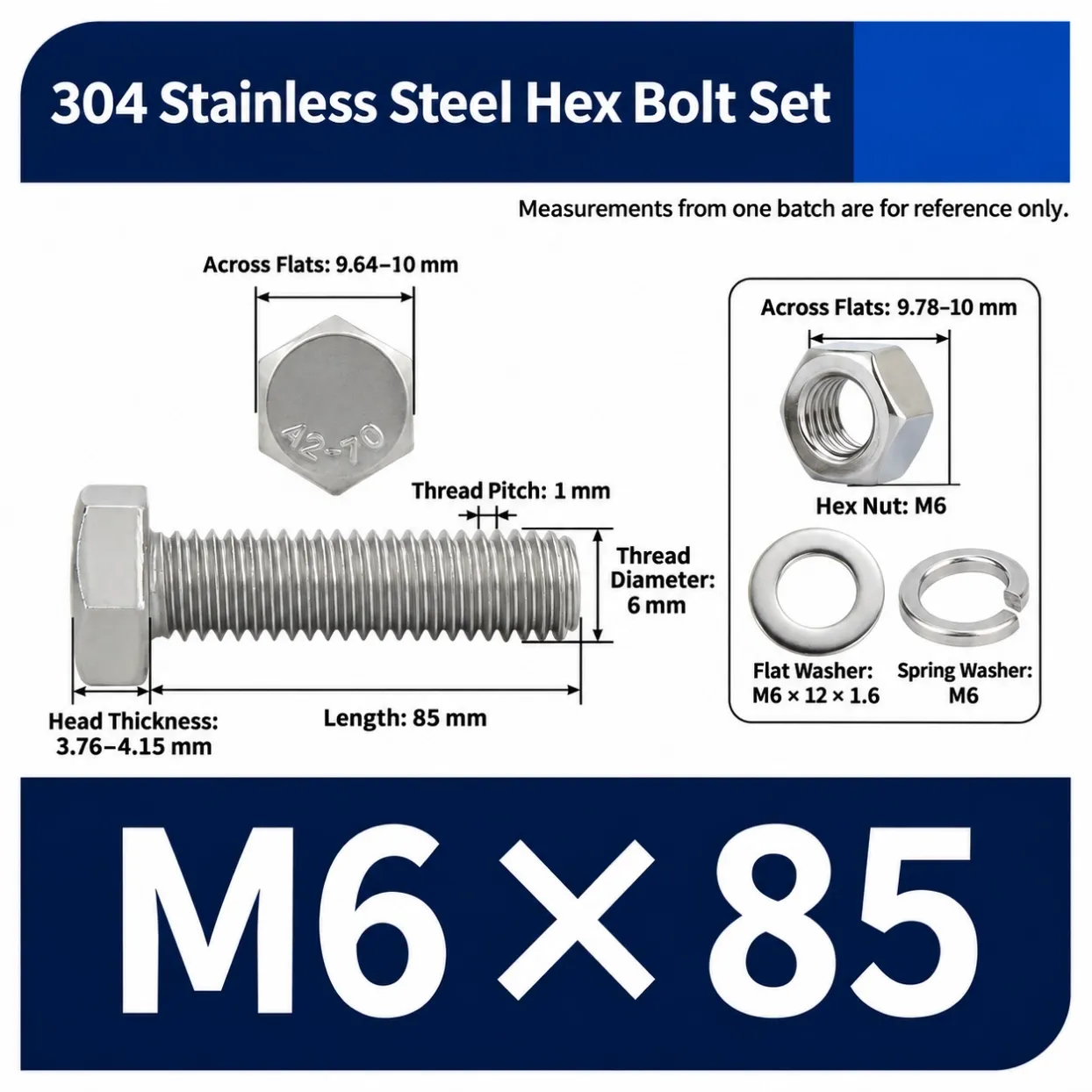
- Stainless steel 304 (A2) — resists rust in kitchens, bathrooms and general outdoor use
- Stainless steel 316 (A4) — the choice for coastal, marine and chemical environments
Buying stainless for dry indoor shelving wastes budget; buying plain carbon steel for a damp environment guarantees complaints. Match the material to where the kit will actually be used.
We compare the two stainless grades in detail in “304 vs. 316 Stainless Steel Bolts: Which Should You Choose?”.
5. Look at the case and the labels
For an assortment kit, the case is half the product:
- Compartments that match the contents — one size per compartment, with dividers that stay in place when the case is carried by its handle
- Size labels you can read at a glance — printed on the lid chart or on each compartment; unlabeled compartments become a mixed bin within a month
- A lid that closes flat and latches — a case that spills once in a service van will not be bought twice
If you plan to sell the kits, also check how the case looks on a shelf and whether the size chart is visible from the front.
6. Piece count is not the point
A 1,000-piece kit is not automatically better than a 500-piece one. What matters is the distribution: plenty of the common sizes, fewer of the rare ones. Before ordering, look at the per-size quantities. If half the pieces are in two sizes you rarely use, the headline count is misleading.
For workshops, also ask whether individual sizes can be reordered to refill the case, so a kit stays useful instead of being replaced whole.
7. Ask about restocking and custom assortments
For retailers and distributors, the second order matters more than the first:
- Can you reorder the same kit, same layout so your shelf stays consistent?
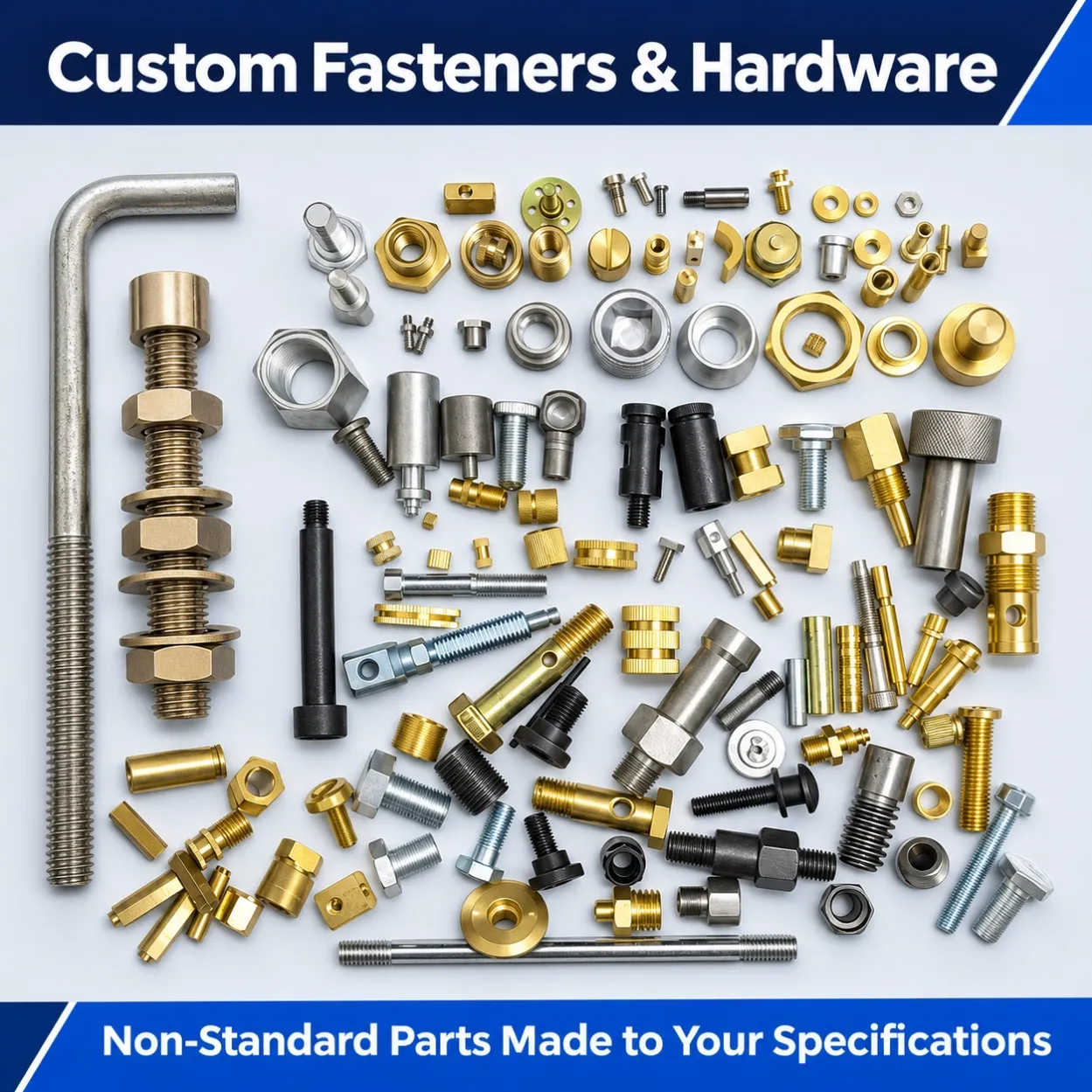
- Can the assortment be adjusted to your market — different size mix, different quantities per size, different material?
At Boltriver, tailor-made assortment kits are part of the range: send the material, sizes and quantities you want in each compartment, and we confirm the kit contents and price. Orders start from just 1 piece, so a new assortment can be tested before it is stocked in volume.
See also: “How to Request a Quote for Custom Screws”.
Quick checklist before you order
- Who is the kit for — resale, workshop, or electronics work?
- Is the full size list available, with several lengths per diameter?
- Does it include matching nuts and washers where the jobs need them?
- Is the material right for the environment it will be used in?
- Is the case compartmented and clearly labelled by size?
- Are the per-size quantities weighted towards the common sizes?
- Can you reorder the same kit, or a customised version, later?
Talk to Boltriver about your kit range
Boltriver supplies standard and custom fastener assortment kits for hardware retailers, distributors and repair businesses — metric screw, nut and washer kits, plus assortments for electronics, furniture assembly and general repairs, many in compartment cases.
To request a quote, send a kit reference or product photo, the quantity, and the delivery country, and we will confirm kit contents, pricing and availability. For a tailor-made kit, include your preferred material, sizes and quantities per compartment.